Cleaning Solar Panels in Perth: Dust, Birds, Salt and When It Is Actually Worth It
2 November 2026 · Sunline Swan Notes editorial team
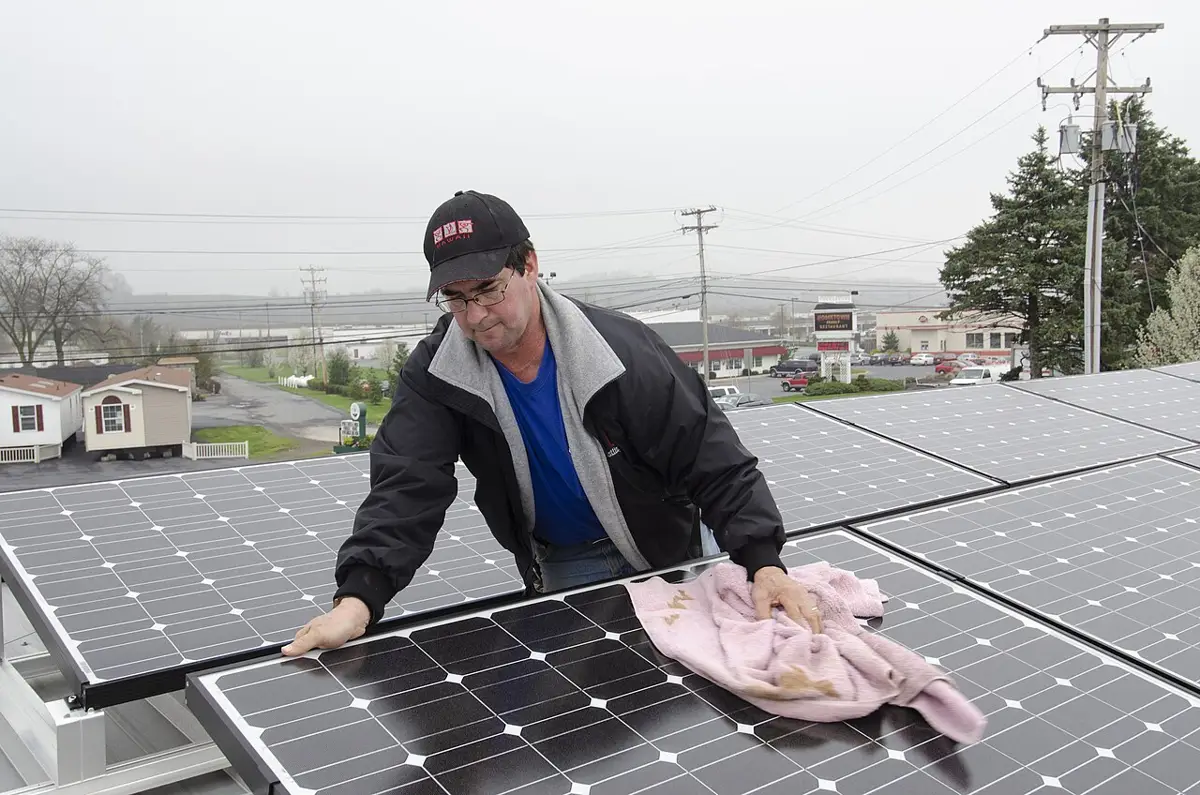
Ask ten Perth solar owners whether they clean their panels and you will get ten different answers. Some hose them down every month, some pay for a professional wash every spring, and plenty have never touched them since the day they went up. The truth sits somewhere in the middle. Perth's long dry summers, red dust, coastal salt and enthusiastic birdlife all leave their mark on glass, but the winter rains do a surprising amount of the work for free. This guide explains how dirt actually affects output, how to tell when cleaning is worth it, and how to do it without voiding a warranty or falling off a roof.
How much does dirt really cost you?
A thin, even film of dust on a tilted panel usually trims output by only a few per cent. That sounds small, and for most suburban homes it is. The bigger losses come from concentrated soiling: a bird dropping, a clump of leaves, or a line of grime along the bottom edge where rainwater pools and evaporates. Because panels are wired so that cells in a string share current, one heavily covered patch can drag down a whole section far more than an even layer of dust across the array.
Perth conditions that make soiling worse include:
- The dry season. From roughly November to April there can be weeks without meaningful rain, so dust simply accumulates.
- Nearby construction or unsealed roads. New estates in the northern and south-eastern growth corridors often see heavy dust while blocks are being cleared and built.
- Coastal salt. Homes within a few kilometres of the ocean collect a fine salt haze that dries into a cloudy film.
- Birds and trees. Corellas, galahs and pigeons love a warm roof ridge, and peppermint or gum trees drop sap, leaves and flowers.
- Flat or low-tilt panels. Panels laid flat do not shed water, so dirt stays put after a shower.
Reading the signs before you reach for the hose
The best way to decide is to compare data rather than guess. Most inverters now come with an app or web portal showing daily generation. Pick two clear, sunny days at a similar time of year, ideally a few weeks apart, and compare the totals. If a cloudless day in late summer is noticeably lower than a similar day after the last good rain, soiling may be the reason.
A visual check from the ground also helps. Stand back with binoculars or take a photo from an upstairs window. Look for:
- Distinct white or grey spots from birds.
- A brown band along the lower frame edge.
- Leaves or debris trapped against the frame or under the panels.
- A dull, milky look compared with the panels' original deep blue or black.
If the glass simply looks a little dusty but your numbers are steady, there is usually no need to act. Winter rain will rinse most of it away by June.
Safe ways to clean
If you do decide to clean, safety comes first. Working on a pitched roof is one of the most common causes of serious household falls, and panels are slippery when wet. Many owners find they can do a decent job from the ground.
From the ground
- Use a soft brush on an extendable pole, the kind sold for washing caravans or windows.
- Rinse with a garden hose on a gentle spray setting, not a jet.
- Work early in the morning or in the evening, when the glass is cool. Spraying cold water onto hot glass on a 38°C afternoon can stress the panel and leaves spotty marks as water flashes off.
What to avoid
- High-pressure washers. They can force water past seals and damage the anti-reflective coating.
- Abrasive pads, scourers or harsh detergents. These scratch glass and can strip coatings.
- Walking on panels. Even a careful step can cause micro-cracks that are invisible but cut output over time.
- Hard bore water. Many Perth homes use bore water for gardens, but its iron and minerals leave orange stains. Use scheme water or, better, rainwater.
Before using any product, check the panel manufacturer's cleaning guidance. Most recommend plain water and a soft brush, and some warranties exclude damage caused by improper cleaning. If you are unsure what your paperwork allows, the common questions Perth homeowners ask about solar maintenance are a sensible place to start reading.
When a professional clean makes sense
Paying someone is worth considering when your roof is steep or two storeys high, when the soiling is heavy and stuck on, or when you also want the system looked over. A good technician will usually combine cleaning with a basic visual inspection, checking for cracked glass, loose cabling, damaged conduit, and signs of pests nesting under the array.
Questions to ask before you book:
- Do they hold working-at-heights training and public liability insurance?
- Do they use purified or deionised water, which dries without spotting?
- Will they report anything unusual with photos?
- Is bird-proofing mesh available if pigeons are an ongoing problem?
For most metropolitan homes, a professional clean once every one to two years, timed for late spring before the long dry spell, is plenty. Coastal properties and homes near heavy dust may benefit from an annual visit.
Birds, nests and the space under your panels
Pigeons and other birds often nest in the warm, sheltered gap between panels and roof tiles. Beyond the droppings, nests trap debris, chew cable insulation and block airflow that helps panels stay cool. If you notice birds repeatedly flying under the array, a fitted mesh skirt around the perimeter can keep them out without drilling into panels. This is a job for a qualified installer rather than a weekend DIY project, because it needs to clip onto frames without damaging them. A lot of practical advice from other owners, including plain-English tips on caring for a rooftop solar system in Perth, points to dealing with nesting early, before damage builds up.
A simple yearly routine
You do not need a complicated schedule. A light routine like this covers most Perth homes:
- Every month: glance at your inverter app and note any sudden drop in daily generation.
- Late spring (October or November): check the panels from the ground and rinse gently if they look dirty.
- Mid-summer: look again after any dust storm, bushfire smoke event or nearby building work.
- Autumn: clear gutters and any leaves trapped against the array before the rains arrive.
- Every few years: book a professional inspection, especially if your system is more than eight years old.
Keeping it in perspective
Clean panels do produce a little more power, but the gains are usually modest compared with getting system size, orientation and battery settings right in the first place. If your generation is well below what you expected even after a clean, the problem is more likely to be shading, a faulty panel, an inverter issue or an export limit. Speaking with a Perth installer such as Fusion Sun Solar for a professional look at your home system can help pin down the cause.
For most households the best approach is relaxed attention: watch your numbers, let the winter rain do its job, rinse gently when birds or dust get out of hand, and never put yourself at risk on the roof to win back a few kilowatt-hours.